
A Vegas night with one window missing
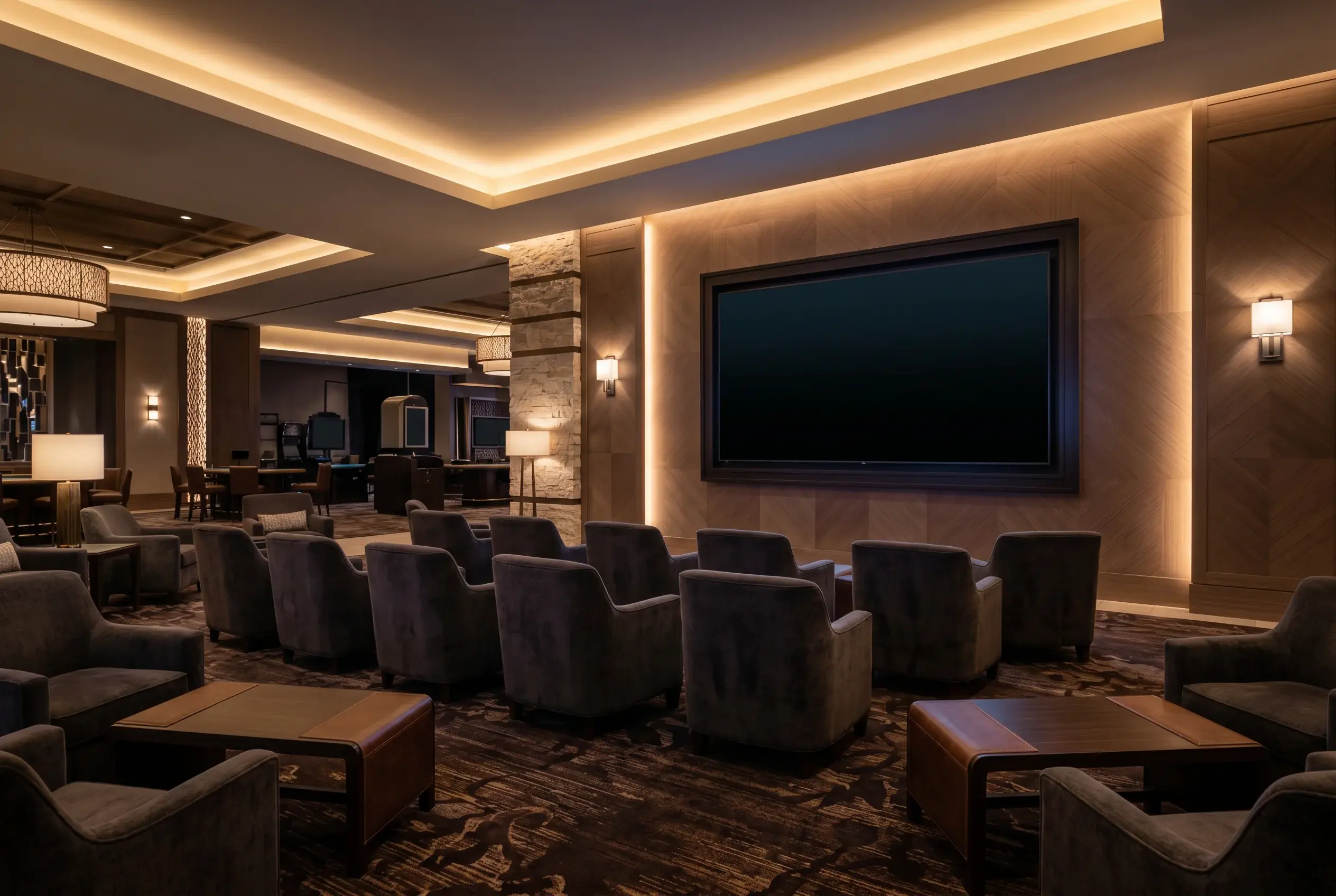
Walk into a major California tribal casino on a UFC PPV Saturday and the atmosphere is almost indistinguishable from a Las Vegas casino on the same night. Massive screens, themed lounges, premium seating tiers, food and drink menus designed around the fight card. The crowd is dressed up, the energy is loud, and the cash flow through bar and restaurant operations spikes the way you would expect on a marquee event. There is exactly one thing missing — the sportsbook counter is closed, and the kiosks that would dispense slips on a similar night in Reno or Atlantic City are not there at all.
That single difference is the entire story of California UFC viewing in 2026. The infrastructure of a Vegas-grade sports betting experience exists in the state’s tribal properties; the legal authorisation to operate the betting window does not. The casinos have built around the gap, monetising the night through every other channel — admissions, premium service, food, beverage, gaming floor traffic — but the headline product their counterparts in regulated states sell on UFC weekend is structurally absent. Visiting these properties on fight night is the cleanest way to see what California’s regulatory situation actually looks like at consumer-facing ground level.
See also: California betting landscape and what’s legal.
The lounge experience
The tribal casino PPV lounge concept has matured considerably in the last several years. The basic format — a large room with screens, table seating, food and drink service — has been refined into a tiered product. Standard lounge seating is general admission with a cover charge for the night. Premium tiers offer reserved tables, dedicated waitstaff, and views closer to the main projection screen. Top-tier offerings, particularly at the larger properties in San Diego County, Riverside County and the Sacramento region, include private booths with their own screens, dedicated server, and bottle service comparable to a nightclub.
The audio production is a meaningful upgrade over watching at home. The properties typically pipe the broadcast audio through their main sound systems at theatre volume, often with their own commentary cuts on side screens. The PPV announce team is the broadcast feed; what the lounge adds is the venue atmosphere — applause, audible reactions across the room, the energy of watching the fight with a large crowd of similarly engaged viewers. For fans whose primary alternative is watching alone on a home screen, the lounge experience is a real upgrade independent of any betting consideration.
The cover charge structure varies by property and by card. Marquee numbered events command higher covers — $50 to $100 per person is typical for a UFC 300-tier card. Standard numbered cards run $25 to $50. Fight Nights, when they get lounge treatment at all, are usually free with a minimum food and drink spend. The economics work because the lounge product converts UFC fans into casino property visitors who also play gaming, eat dinner, and stay longer than they would at a sports bar.
PPV screening economics
The casino is buying a commercial PPV licence from the UFC for each fight night, and the cost is non-trivial. Commercial PPV pricing scales with the maximum capacity of the venue and the tier of the card — a top numbered event at a large casino can cost the property several thousand dollars in PPV rights alone. The cover charge model exists to recover that cost; the food, beverage and gaming spend is the profit margin on top.
The properties that run these screenings most aggressively are the ones with the strongest existing food and beverage operations. A casino with a dedicated steakhouse, multiple bar concepts and a nightclub-adjacent lounge can convert UFC traffic into multi-channel spend that justifies the operational complexity of the screening. Smaller properties with limited food and beverage capacity tend to skip the lounge format and rely on screens distributed across the gaming floor, which is a lighter operational footprint but generates correspondingly less per-attendee revenue.
The other economic factor is the gaming floor halo. Casinos report that PPV nights produce above-average gaming activity from non-attendees of the lounge itself — visitors who came to play table games and slots and stayed to watch fights between rounds at the bar. That ambient lift is part of why tribal properties have invested in the PPV lounge product even though the lounge revenue alone would not justify it.
Why the sportsbook counter is not open
The legal architecture is the answer, and it has not moved appreciably since the 2022 ballot. Sports betting in California remains unregulated for both commercial and tribal operators outside the narrow on-property scope that some tribes have implemented under their compacts. The tribal coalition successfully argued that the legal authority to operate sports betting should rest with the tribes through their state compacts, and the 2022 propositions that would have created either an online commercial market or a broader retail tribal market both failed at the ballot.
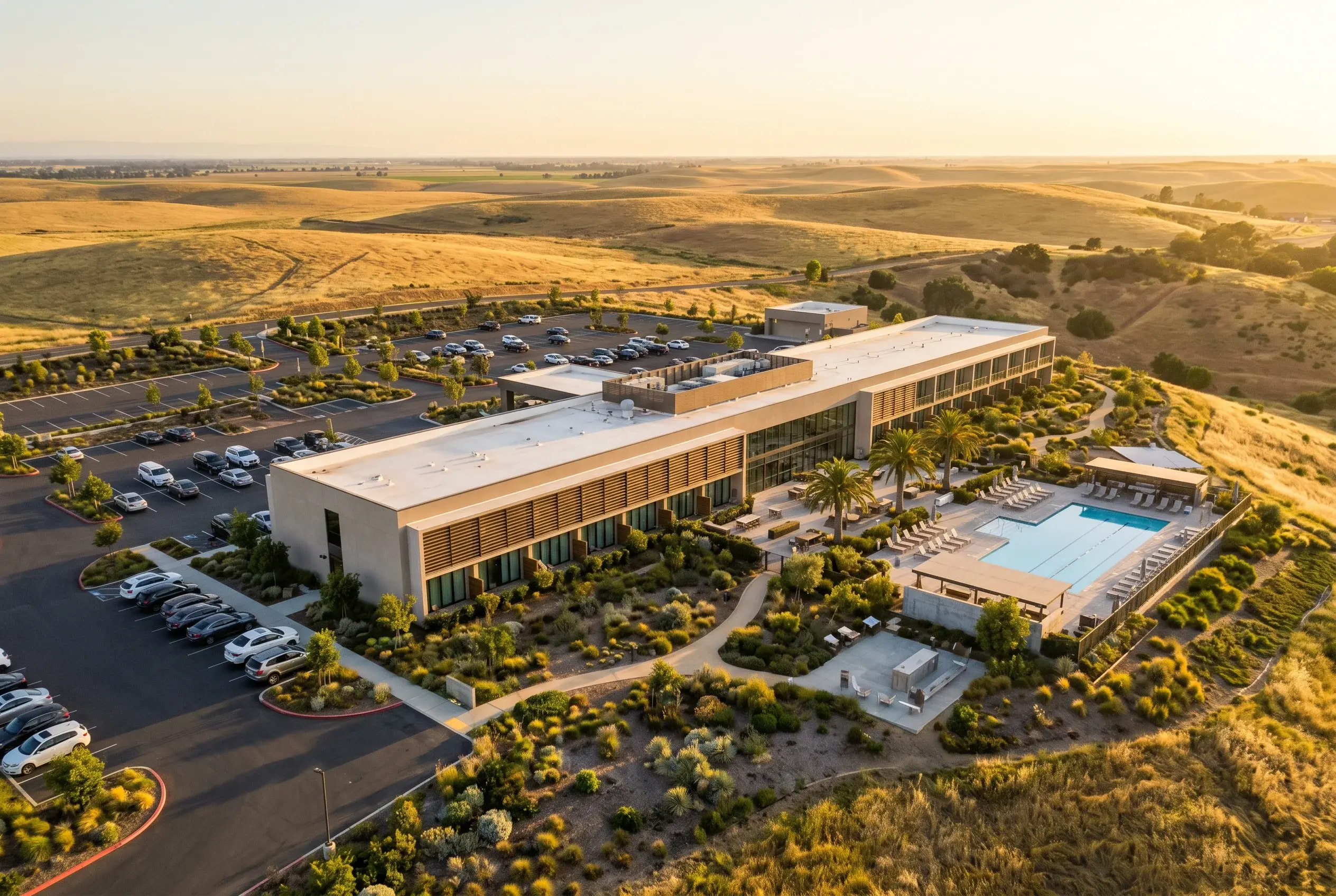
The tribal gaming sector is large enough that the absence of a sports betting product is conspicuous. California has 109 federally recognised tribes, 63 of whom own 66 casinos in the state, and tribal casinos in the Sacramento-region — California plus northern Nevada — generated $12.1 billion in gross gaming revenue in fiscal 2024, accounting for more than a quarter of all US tribal gaming revenue. The infrastructure to add sports betting at scale exists across most of these properties. What does not exist is the legal authorisation.
Some tribes have established limited on-property sports betting under specific compact provisions, but the offerings vary widely in product completeness and operational reach. The general consumer-facing experience across the majority of California tribal casinos on UFC night is the same — broadcast viewing without a betting counter. Anyone tracking the political and economic dynamics behind this stasis should read it alongside the broader analysis of how tribal gaming power shapes California’s regulatory map, because the on-property absence of sports betting is a direct consequence of how that power has been exercised.
Responsible-gambling tools on property
The responsible-gambling infrastructure inside tribal casinos has improved noticeably over the past several years, partly driven by the California Council on Problem Gambling working with tribal operators on standards. Most major properties now have visible signage with the 1-800-GAMBLER helpline, voluntary self-exclusion processes that work across affiliated tribal properties, and trained floor staff who can recognise distressed behaviour at gaming positions.
On UFC nights specifically, the lounge product creates an unusual responsible-gambling dynamic. The viewing crowd includes many casual UFC fans who do not regularly visit casinos, are not familiar with on-property RG tools, and are drinking alcohol at the kind of pace that lounge events encourage. The properties have responded with dedicated staff presence in lounge areas during high-volume events — not aggressive intervention, but visible availability of help-seeking pathways for visitors who need them.
The absence of sports betting itself is, in one sense, a passive RG control. A visitor who arrives at a California tribal casino to watch UFC cannot bet on the fights they are watching. The temptation to chase a bad pick with a new wager on the next prelim simply does not exist as a product. That is not how the regulation was justified, but it is one of its effects, and it is a meaningfully different exposure profile from watching the same card at a regulated state’s sportsbook lounge.
See also: how to bet on ufc in california — tribal casinos.
Regional differences across the state
Northern California, particularly the Sacramento region, has the largest concentration of major tribal casinos by gaming revenue, and the PPV lounge product is most developed there. The properties competing in that market have invested heavily in lounge infrastructure and run aggressive UFC night programming. Southern California — San Diego County and the Inland Empire — has a similar density of major properties but a slightly different operational style, with more emphasis on resort-scale weekend packages around marquee events.
Central California and the more rural tribal properties operate at smaller scale. The PPV product at these properties is usually limited to dedicated bar areas with screens rather than full lounge formats, and the cover charge model is replaced by minimum food and drink spends. The UFC night experience is still a meaningful upgrade over home viewing, but the production scale is smaller and the food and beverage offering tighter.